

Prevent risks before they arise
Mold can develop following water infiltration or excessive humidity, often without you noticing.
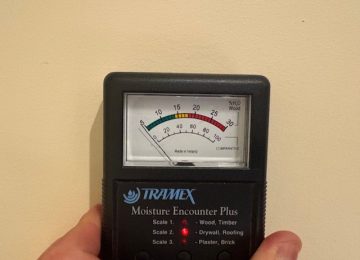
Our team performs targeted inspections and professional sampling to identify the presence, identification and concentration of spores in the air.
When a fungus is present in the home, a PCR genetic analysis can be performed to confirm or rule out the presence of dry rot (Serpula lacrimans).
These analyses help prevent or resolve respiratory health issues (asthma, allergies, chronic fatigue), skin problems, and avoid costly renovations.
We then provide clear, personalized recommendations for decontamination and ventilation.
- Inspection and sampling to identify the presence of visible or hidden mold.
- Identification of spore types and their concentration.
- Microbiological analysis to determine the impact on health (allergies, asthma, fatigue, sinusitis).
- Recommendations for decontamination, ventilation or renovation based on the results.
FAQ
Mold and excess humidity are among the leading causes of poor indoor air quality.
They can develop quietly, behind walls or under floors, and trigger significant allergic, skin, or respiratory symptoms — or material damage.
Here, the Laboratoire Notreau answers the most frequently asked questions about detecting, analyzing, and treating mold and humidity, to help you act quickly and effectively to protect your health and your property.
Common signs include visible black, green or white spots, persistent musty smells, peeling paint, excessive humidity, or respiratory symptoms in the occupants.
Mold can cause allergies, asthma, fatigue and sinusitis, particularly in children, the elderly and people with respiratory sensitivities.
It can also damage building materials and weaken the structure of the home.
Our experts perform an on-site inspection followed by air or surface sampling.
Samples are then analyzed in the laboratory to identify the spore types and their concentration.
Among the most common: Aspergillus, Penicillium, Cladosporium and Stachybotrys (the so-called “black mold”), all known to cause health and structural problems.
The Notreau report includes recommendations for decontamination, ventilation or renovation based on the results.
It is important to act quickly to protect the health of occupants and avoid the spread of mold throughout the building.